The search for the perfect Father’s Day gift can feel less like shopping and more like an archaeological dig. You know your dad (or father figure) is brilliant, passionate, and utterly absorbed by something wonderfully specific—be it Beer Enthusiast restoring vintage typewriters, identifying obscure fungal species, or perfecting the art of the perfect single-malt Scotch pairing.
The problem? The consumer landscape for "dads" has become dangerously generic. Amazon’s algorithm knows he likes coffee beans, but does it know the difference between a hand-cranked burr grinder and a precision electric model designed specifically for Ethiopian Yirgacheffe? It doesn't. And so, you are left staring at thousands of beautiful, beige options, knowing that 90% of them will feel like an expensive placeholder.
You are not looking for another gift; you are looking for validation. You want him to open something and think, “Wow. She/he actually listened.” This article is a guide for the empathetic detective—for those who understand that the best gifts don't come from broad categories, but from deep observation and genuine appreciation of a man’s singular passions.
Beyond "Nice": How to Shift Your Focus From Gift Shopping to Curiosity Gathering
The biggest mistake gift-givers make is starting with the gift in mind. Instead, successful ones start by cultivating intense curiosity about his actual life. Think of yourself as an anthropologist studying your own family member’s beloved subculture.
First, observe the "Tools," not the hobbies. When a person has a niche hobby, they don't just do it; they become immersed in the specialized tools and materials required to perform it. Instead of asking him, “What should I get you?”—a question that invites vague platitudes—ask these observation questions:
- “What book are you reading right now? What section is most interesting?” (For intellectual/research hobbies). “When you’re working on [hobby], what piece of equipment do you use the most, and does it ever break?” (For mechanical/crafting hobbies). “If money were no object, what specialized supplies would you buy for this project?” (This is the magic question; it bypasses budget constraints and gets straight to desire).
Second, listen for the "Gaps." Every passionate pursuit has a friction point—a necessary upgrade, an item that is always running low, or a component that is frustratingly hard to find. These gaps are your gold mines. If his vintage camera tripod looks wobbly, he doesn't need another lens; he needs a stabilization solution.
Anecdote Corner: I once knew a friend whose father was obsessed with identifying local bird species. The standard advice would be "a nice field guide." But after noticing the dad struggled to get clear shots of small birds in dense foliage, I realized his actual pain point wasn't knowledge; it was light and distance. The perfect gift wasn't a book; it was a premium, compact telephoto lens adapter that made the difference between a fuzzy memory and a sharp portrait.
Three Proven Strategies for Unearthing the Perfect Niche Gift
Finding these gems requires specific methodologies. Here are three angles to apply when you feel stumped by consumer advice:
1. The Third-Party Perspective (The Expert Loop)
Your dad is too close to his passion; he takes it for granted. Express Delivery You need an outside source of expertise. Who does he admire?
- Friends: Talk to his colleagues or friends who share the hobby. Ask them, "What piece of gear do you wish your friend had?" Friends are often more honest than family when it comes to specialized equipment critique. Online Communities/Forums: This is where the deepest rabbit holes live. Instead of looking at mainstream retail sites, dive into Reddit subs dedicated to his hobby (e.g., r/vinylrecords, r/flyfishing). Read the gear-talk threads—the people complain about things far more useful than they realize. Specialty Retailers: Skip department stores. Find a local, independent shop that caters only to his passion (a dedicated woodworking supply store, an antique map dealer, etc.). The staff there are often passionate enthusiasts themselves and will know exactly what he needs before he does.
2. Elevating the Experience (The Luxury Angle)
Since your niche is luxury, don't just buy things. Buy upgrades to experience. A premium gift for a hobbyist shouldn't just be an item; it should enhance the joy of doing the activity itself.
Consider these types of upgrades:
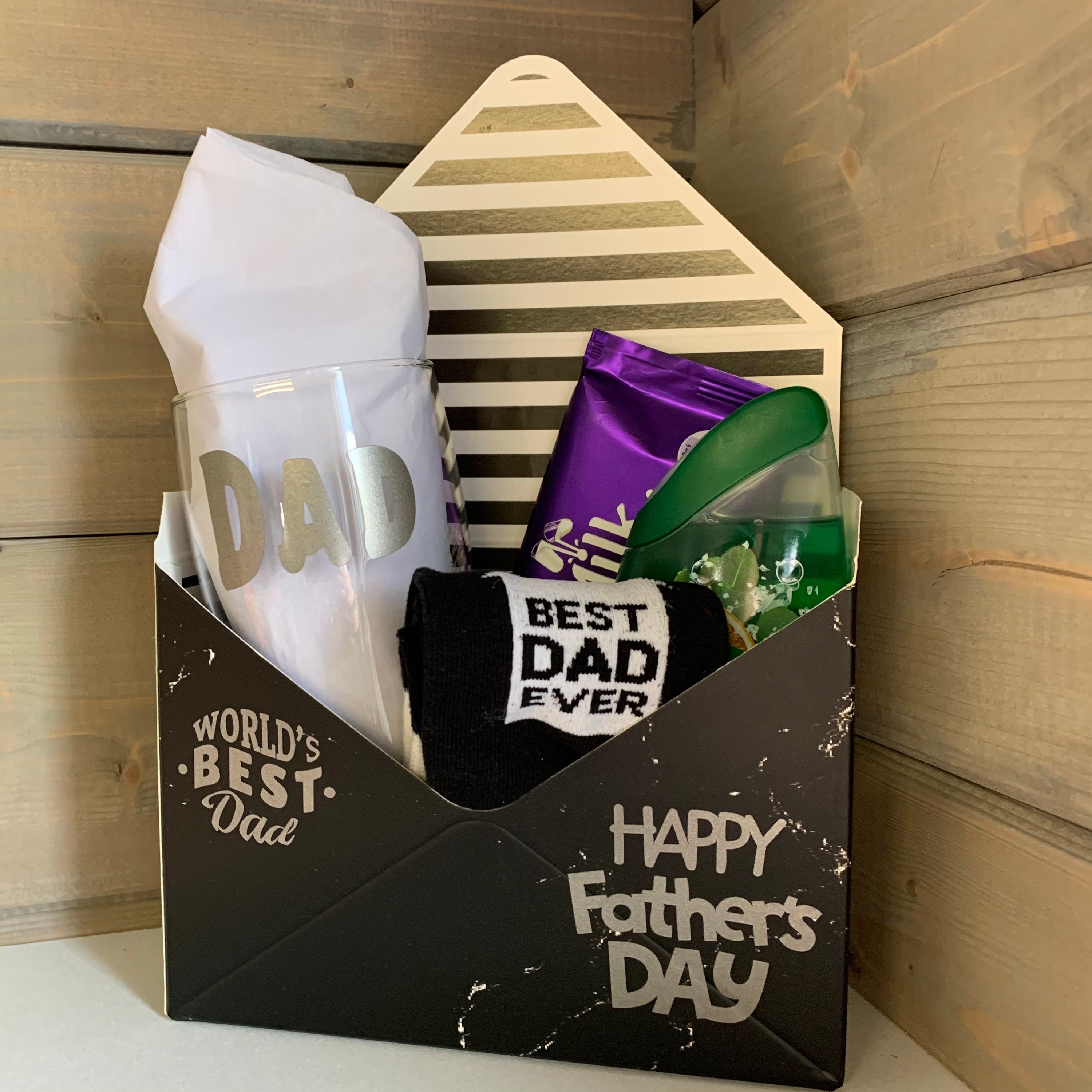
- Consumables: High-end, rare, or artisanal supplies (e.g., imported inks for calligraphy, exotic woods for carving, small batches of specialty spices). These feel luxurious and are always appreciated because they are used up. Curated Kits: Don't buy the tool; buy a toolkit. For example, instead of just giving him a nice pair of binoculars, curate a "Stargazer Kit" containing premium star maps, a personalized notebook for observations, and an upgraded lens cloth. The curation is the luxury element. The Time Gift: Sometimes the most expensive thing you can give is organized time. Pay for a masterclass or workshop related to his hobby that allows him to learn from someone who lives it.
3. The "Why" Over the "What" (Emotional Connection)
Remember, while the item must be niche and high quality, the gift's true value is emotional. It communicates: “I see you.”

The quote by Maya Angelou rings so true here: "People will forget what you said, people will forget what you did, but they will never forget how you made them feel." A truly thoughtful gift makes him feel seen, understood, and celebrated in his deepest interests. This feeling of recognition is the luxury itself.
The Next Step: Translating Discovery into a Purchase Plan
Once you have gathered intelligence—the desired tool, the missing consumable, or the perfect experience—you need to execute the purchase with confidence.
If your discovery points toward an item that feels borderline impossible to find (like that specific vintage part for his Model T), don't panic and settle for something generic. Instead:
Research the Source: Is it available via a specialized online marketplace? Consider the Proxy: Can you get the function of the item using a modern, high-quality equivalent (e.g., instead of an antique map, buy a beautifully framed print from a cartographer specializing in that era)? Pair it Perfectly: If the item is expensive or difficult to source, pair it with something smaller but profoundly thoughtful—a custom note detailing why you chose that specific piece, or an accompanying luxury beverage designed for his hobby (e.g., a rare cheese pairing kit for his charcuterie passion).Finding the perfect gift for a man whose passions are as complex and beautiful as he is requires patience, detective work, and an almost obsessive level of care. Approach it not as shopping, but as solving a highly personal mystery. By shifting your focus from what to buy, to how deeply you understand him, you will inevitably find the treasure—and the perfect Father's Day moment—you’ve been searching for.